
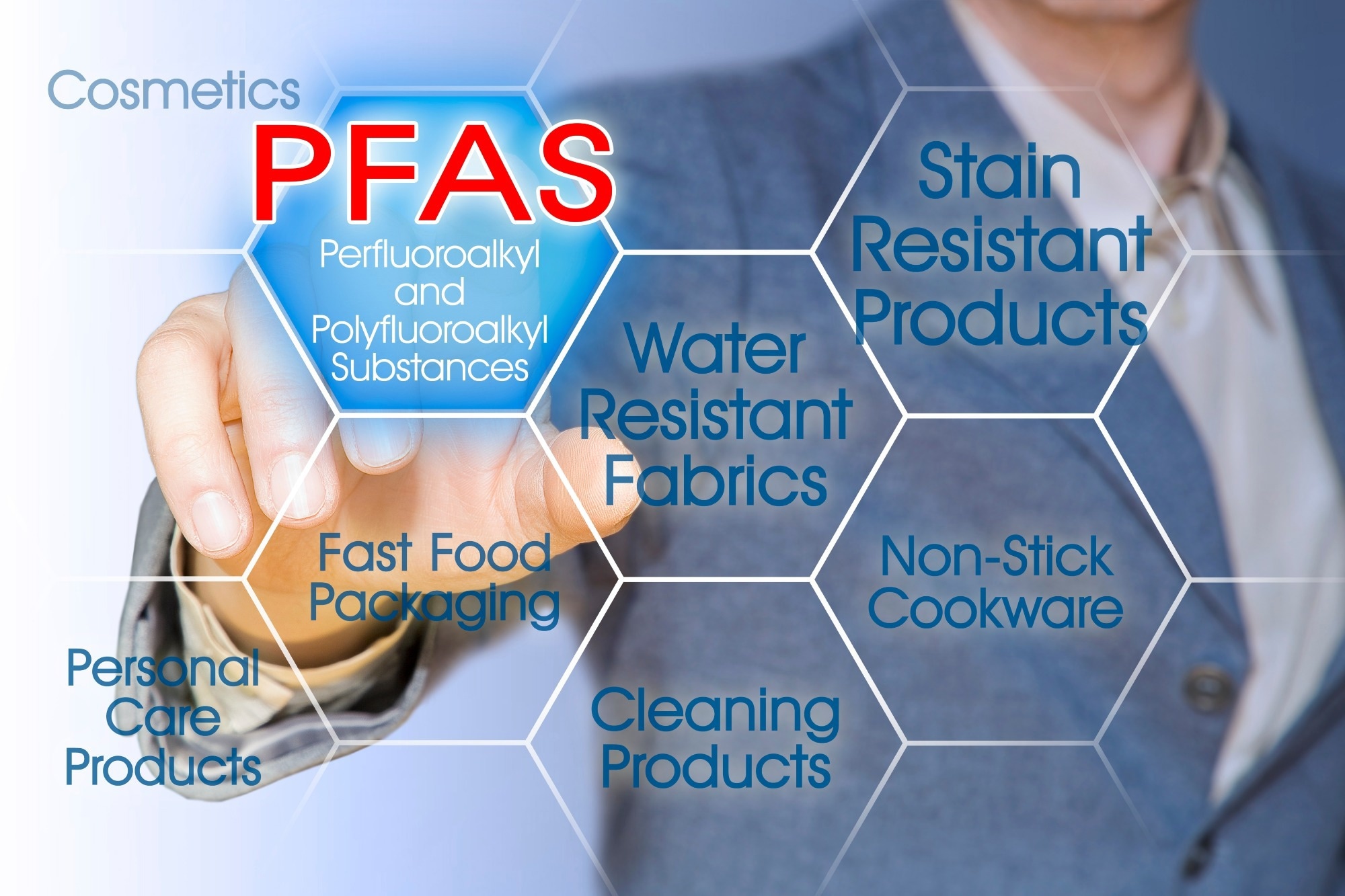
This study measured real-life PFAS concentrations in first-trimester human placentas and used these data to create a pregnancy-relevant PFAS mixture. In 3D trophoblast spheroid models, the mixture altered invasion, hormone secretion, and gene expression without broadly reducing viability at envir... Read more
Medical News - Dec 09
Per- and polyfluoroalkyl substances (PFAS) are a group of nearly 10,000 long-lasting chemical compounds that stay in the environment and have been linked to adverse health effects on humans, including pregnant women and their unborn children. Read more
Medical News - Dec 05
A gene that turns on very early in embryonic development could be key to the formation of the placenta, which provides the developing fetus with all of the nutrients it needs to thrive during gestation. Read more
Uc San Diego Today - Dec 04
During the first weeks of pregnancy, the developing placenta in a mother's womb undergoes a dramatic change. Individual cells merge, forming a continuous barrier that will spend the next nine months ferrying oxygen and nutrients to the growing fetus while keeping the mother's immune system at bay... Read more
Medical Xpress - Nov 05
In a Genomic Press Interview published today in Brain Medicine, Dr. Alex Tsompanidis highlights an exciting new idea that positions the placenta at the center of human neurodevelopment and evolution, challenging conventional wisdom about the origins of autism and human cognition. Read more
Medical News - Sep 16
If celeb trends are anything to go by, placenta eating is having a moment. Will Rogers-Coltman explores the pros and potentially dangerous cons Read more
Evening Standard - Aug 30
The Celebs Go Dating expert , 44, is one of thousands of women who have opted to use their placenta to support post-natal recovery Read more
Mail Online - Aug 10
Touted as a wellness hack by celebrities, ‘encapsulation’ has become good business for firms offering a surprising array of services. Doctors are not impressed Read more
The Times - Aug 09