

'It may come to save us or destroy us.' Read more
Metro - Dec 28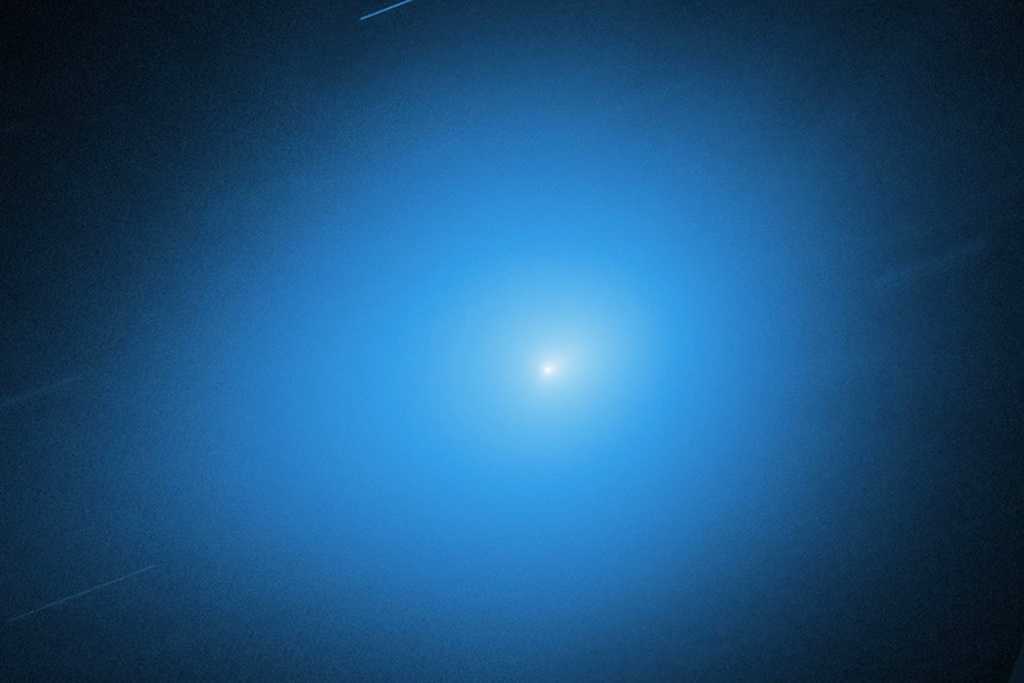
The comet is expected to remain visible to telescopes and space missions for a few more months before exiting our solar system, according to NASA. Read more
Kcra - Dec 19
NASA’s Europa Clipper spacecraft has observed interstellar comet 3I/ATLAS, collecting rare data as the ancient object made its closest approach to Earth. Read more
Forbes - Dec 19
(CNN) — The Hubble Space Telescope and the Jupiter Icy Moons Explorer have captured fresh images of an interstellar comet as the object nears its closest approach to Earth this month. Read more
The Mercury News - Dec 17
A comet has come under unprecedented scrutiny after NASA managed to capture images of SWAN every 4 minutes for 40 days, even catching a glimpse of the mysterious interstellar visitor 3I/ATLAS Read more
Dailystar Co Uk - Dec 06
'I would be more impressed if it was brightening periodically and beeping while it did it, because then it might be about to go into reverse.' Read more
Metro - Dec 03
'I would be more impressed if it was brightening periodically and beeping while it did it, because then it might be about to go into reverse.' Read more
Metro - Dec 03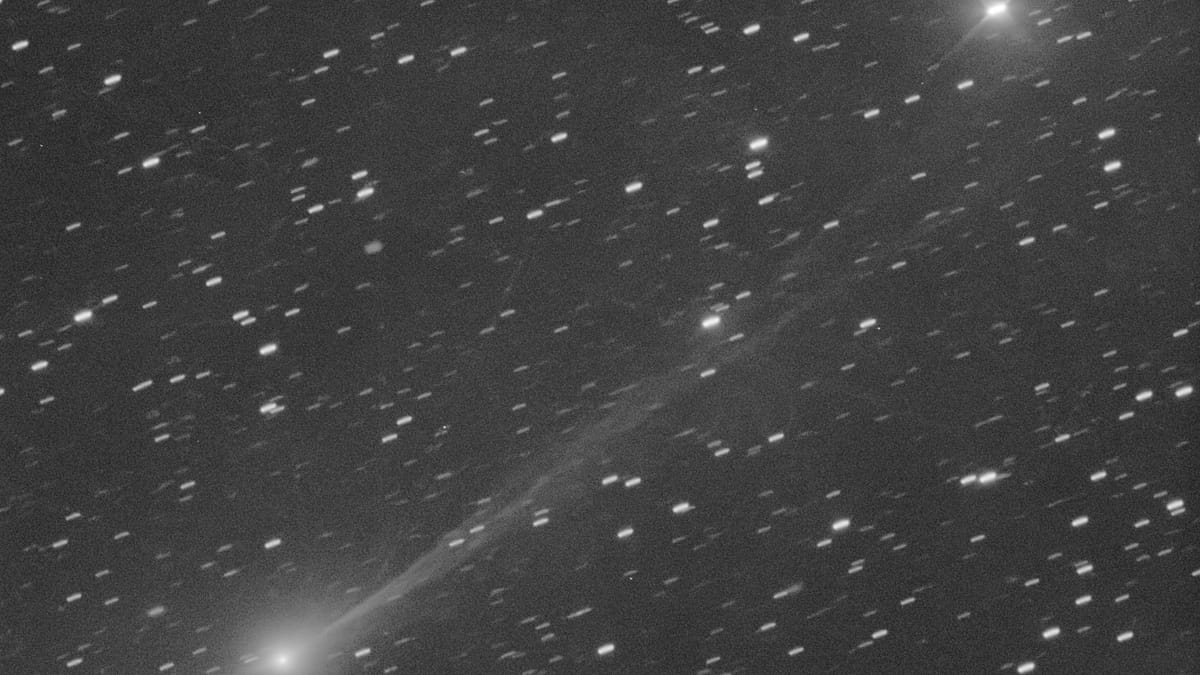
NASA released close-up images of interstellar comet 3I/Atlas, only the third known visitor from another star, after it passed near Mars. The closest the comet will come to Earth is 269 million kilometers in mid-December. Then it will hightail it back into interstellar space, never to return. Read more
Euronews - Nov 20NASA is unveiling close-up pictures of the interstellar comet that's making a quick one-and-done tour of our solar system. Discovered over the summer, the comet known as 3I/Atlas is only the third confirmed object to visit from another star. It zipped harmlessly past Mars last month. Several NASA... Read more
Apnews - Nov 19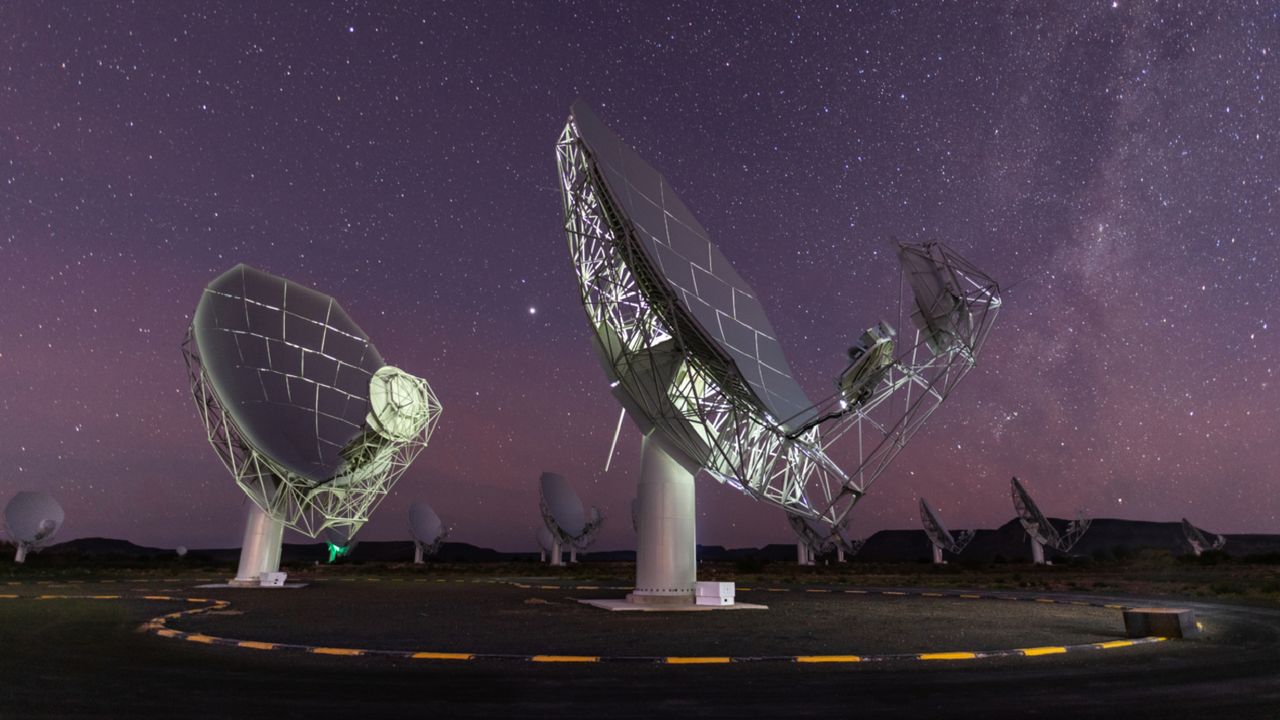
Astronomers at South Africa's MeerKAT radio telescope have detected the first radio waves coming from the interstellar comet 3I/ATLAS. But while this sounds suspiciously like alien activity, it is actually further proof of its completely natural origins. Read more
Livescience - Nov 11